La Salle University
What You’ll learn
We teach our students to be better citizens of this world. Environmental Science examines human impact on the environment and seeks solutions to those problems. In our 4-year undergraduate program, students learn about topics ranging from climate change to sustainability, treatment for soil/water/air pollution, and management of forests/wildlife.
Our students experience a dynamic and supportive, hands-on learning environment. Our program focuses on the development of a student’s critical thinking skills to:
- Solve environmental problems
- Use instruments for the collection and interpretation of environmental data in the lab and in the field
- Communicate science to both fellow scientists and non-experts
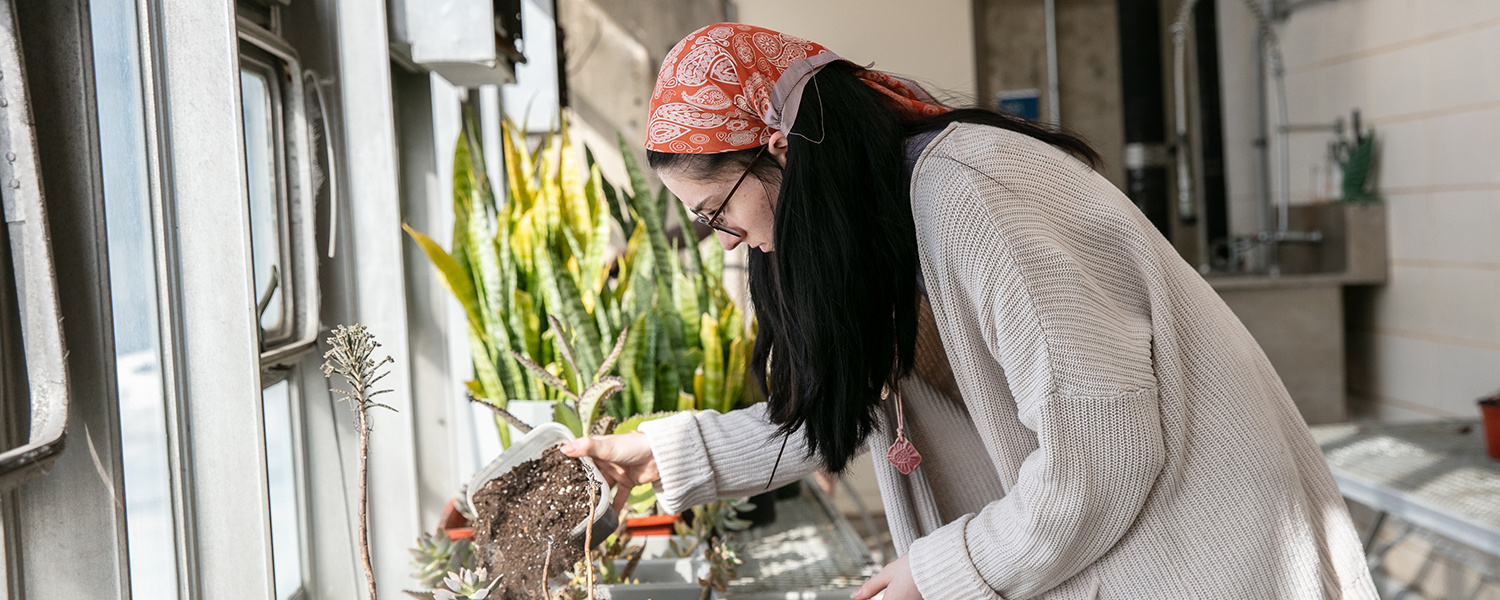
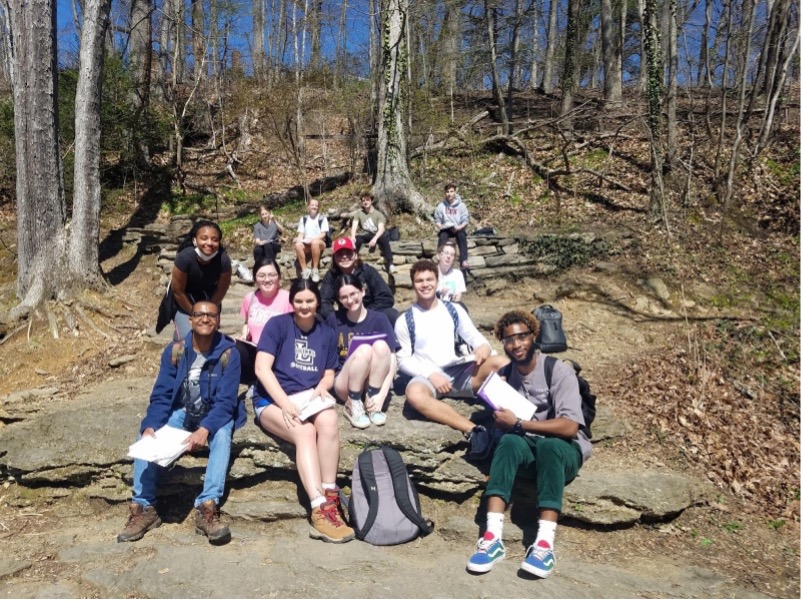
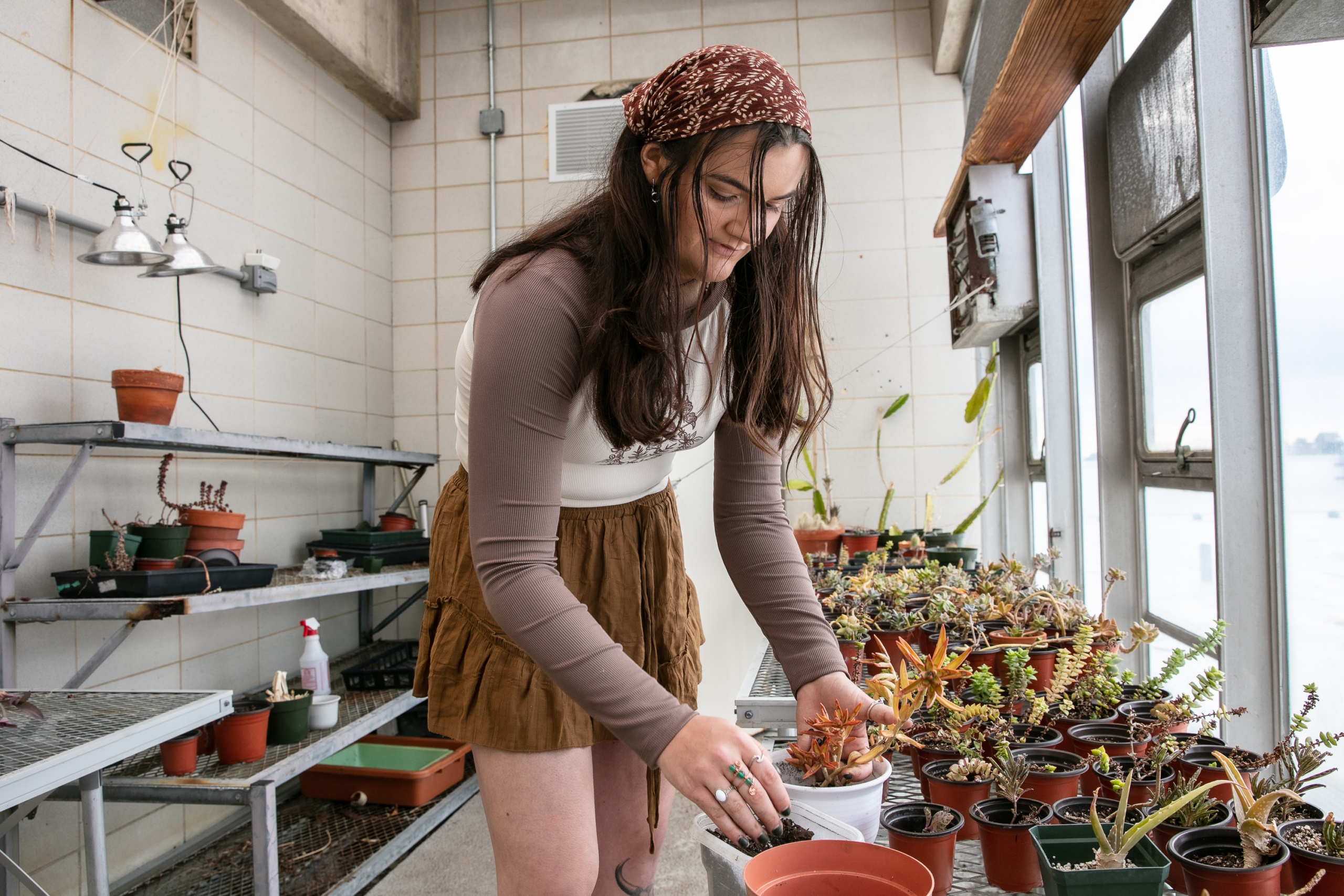
Our undergraduate students use our teaching laboratories, the Holroyd Greenhouse, Penllyn Field Station at the Wissahickon Creek, and research instrumentation, including as our scanning electron microscope, X-ray fluorescence spectrometer, X-ray diffractometer, and spectrophotometers for analysis of water and soil. Students also learn to use relevant software in Environmental Sciences, including Geographic Information Systems and from the R Project for Statistical Computing.
Why Study Environmental Science at La Salle?
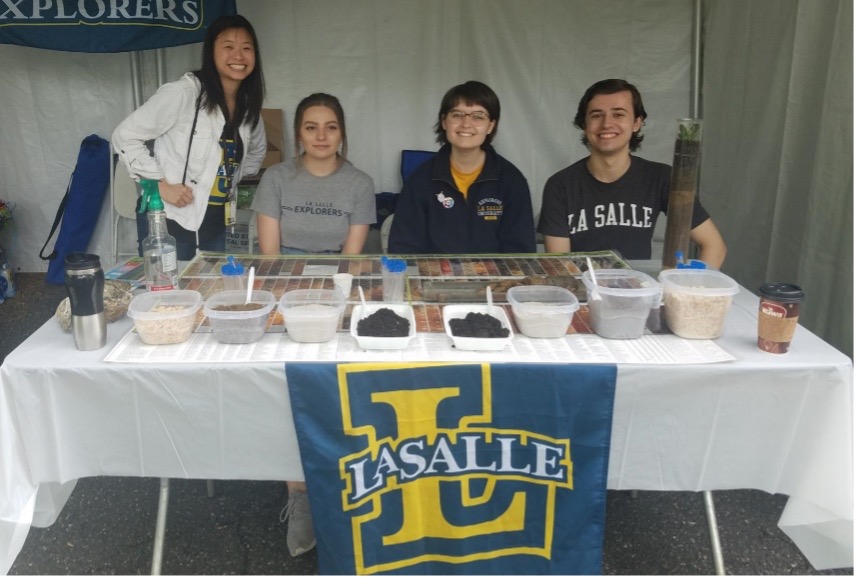
With small class sizes and high-quality one-on-one advising, our students get access to hands-on learning with environmental instrumentation, access to teaching laboratories, our greenhouse, and Penllyn Field Station. Their hands-on education builds career-ready skills for their resumes and prepares them for internships, graduate school, and careers in the environmental field. Our location in Philadelphia also allows us to take advantage of the outdoor classroom to understand urban ecosystems, urban contamination, and to design healthier, sustainable cities.
For students interested in double majoring or minoring in Environmental Science, 86% of our students successfully complete a double major or minor. Adding Environmental Science into your degree can help broaden your skill set for different careers, opening doors to jobs ranging from Environmental Health to Renewable Energy, Sustainability, Science Communication and Environmental Law.
Highlighted Courses
POL 316: Environmental Law and Policy
This course examines an introduction to the rise of environmentalism in the United States. Addresses the major environmental statutes from the Clean Air and Clean Water Acts to the Endangered Species Act, RCRA and Superfund, and more.
ENV 401: Fundamentals of Soil Science
An overview of soil science, covering the physical, chemical, and biological properties of soils. Students will gain an understanding of soil formation, the classification of soils, and the chemical/biological reactions that occur in soils.
ENV 402: Environmental Air Quality
This course introduces the causes and effects of air pollutants on humans. The source of pollutants, their physical and chemical behavior in the atmosphere, and strategies to mitigate air pollution will be discussed.
BIO 403: Principles of Ecology
This course covers the interactions between plants and wildlife, interactions between populations, and interactions between communities.
Alice L. Hoersch, Ph.D.
My teaching philosophy is to engage students’ minds in the learning process by providing stimulating lectures, activities, lab assignments, field trips and by providing examples of how knowledge can influence the environmental decision-making process. I have worked to develop creative techniques that foster the learning process and lead to students’ development of a desire to learn course material. I encourage classroom participation by encouraging students to get their hands dirty (both figuratively and literally).
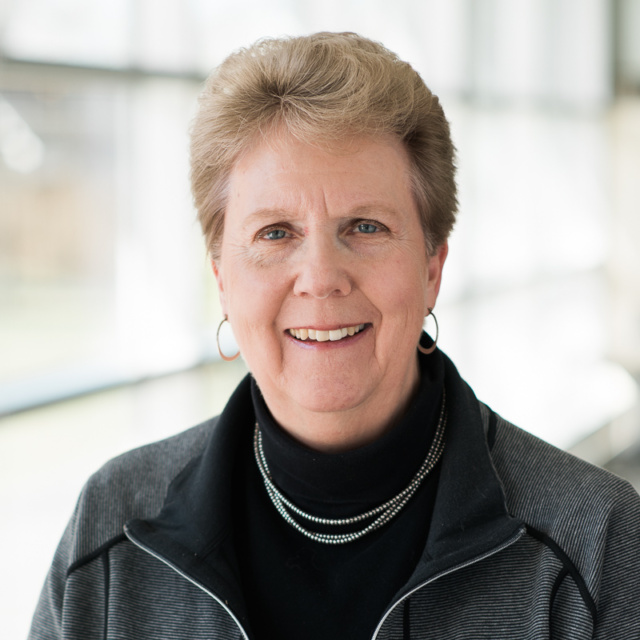
Florence Ling, Ph.D., will collaborate on finding critical minerals vital to developing renewable energy technology.