
Sociology helps students understand how society shapes people’s lives and why social patterns and inequalities persist. At La Salle, students examine how institutions, communities, culture, race and ethnicity, social class, gender, and other social forces influence opportunities, relationships, and everyday life.
Students also learn how to study these issues using research, statistics, and data analysis. Through coursework, students develop the ability to ask strong questions, evaluate evidence, identify patterns, and think critically about social problems and possible responses.
Located in Philadelphia, La Salle gives Sociology students opportunities to connect classroom learning to the communities, institutions, and social issues around them. Students explore topics such as inequality, education, health, work, family, race and ethnicity, gender, and social change in a real-world setting.
Through internships, research projects, and courses using real data and current social issues, students build analytical and communication skills while preparing for careers in public service, nonprofits, research, health, business, law, and graduate study.
This course examines major social problems in contemporary society, their nature, development, social causes, and policy solutions.
This course analyzes the law as a social process in historical and comparative perspectives.
This course is an analysis of the dynamics of race and ethnic relations and of the intersection of race, gender, and class in historical and contemporary contexts.
This course is designed to provide students with an in-depth understanding of a variety of issues related to drug use, abuse, addition drug-related crime and drug control.
Sociology students learn in small classes with faculty who bring expertise in areas such as race and ethnicity, inequality, gender, family, immigration, and social change. Faculty also work closely with students through advising, helping them plan their studies, explore internships and career paths, and prepare for graduate or professional school.
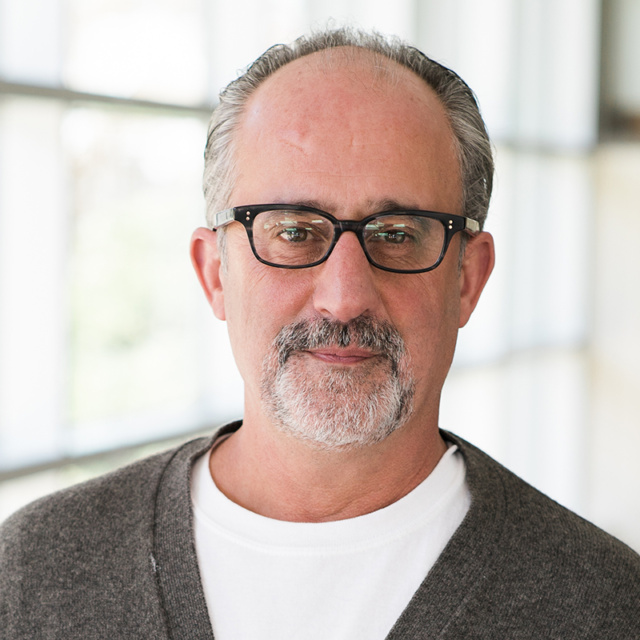
Charles “Chip” Gallagher, Ph.D., is a professor of sociology in La Salle University’s Sociology and Criminal Justice Department. His research focuses on social inequality, race relations, and immigration, and he has published more than 50 articles, reviews, and books on these topics.
A nationally recognized expert on race, immigration, and social inequality, Dr. Gallagher has given more than 60 invited talks, served as an expert witness in civil rights cases, and appeared in more than 100 media interviews. His media appearances have included CNN, BBC News, NPR, and The Problem with Jon Stewart. In 2016, he was selected as a Fulbright Scholar in the United Kingdom, where he studied residents’ views on immigration.
A Sociology degree prepares students for careers involving people, organizations, communities, and social issues. Students develop communication, critical-thinking, problem-solving, and analytical skills that can be applied across a range of fields.
Career paths may include:
Recent Sociology graduates have moved into roles in case management, human services, nonprofit organizations, behavioral health, research, and government, while others have continued into graduate or professional study in fields such as social work, counseling, public health, and law.
Internships give Sociology students an opportunity to connect what they learn in the classroom with work in community organizations, government, human services, advocacy, and other professional settings. Students gain practical experience, build professional connections, and explore potential career paths.
Recent internship opportunities and placements have included:
An independent research project inspired Ashley Richwine, ‘27, to contribute to the knowledge base in her chosen field of criminal justice and sociology.
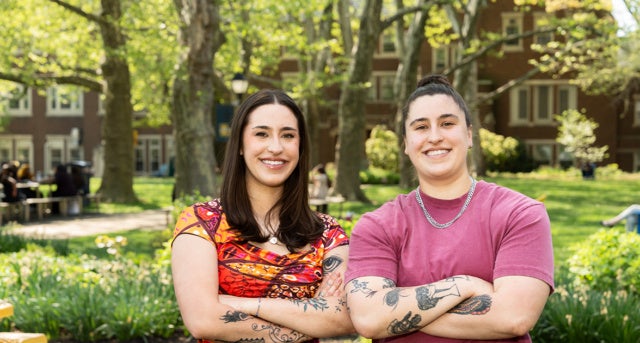
For Lyla Campeotto, ‘26, and Stella Campeotto, ‘26, La Salle University’s Criminal Justice and Sociology Programs have helped them lay the foundations to build careers that will help people.