La Salle University

Program snapshot


Accreditation
La Salle’s Professional Clinical Counseling Program is accredited by the Council for Accreditation of Counseling and Related Educational Programs (CACREP). CACREP accredits degree programs in counseling and its specialties offered by colleges and universities worldwide.
Why Study Professional Clinical Counseling at La Salle?
La Salle University believes in a personal, practical, and professional graduate education, and occurs in the context of the Lasallian tradition focusing on excellence in teaching and concern for both ultimate values and for the individual values of its students. La Salle’s Counseling and Family Therapy Master’s Programs have been training counselors and therapists since 1979. Its resources are extensive, and include the following:
- Affiliations with over 60 regionally-recognized field placement sites in the greater Philadelphia area, which is especially rich in its mental health resources.
- A dedicated Field Placement Coordinator for the PCC Program who assists students in applying to and securing Practicum and Internship placements.
- An annual program meeting that informs students about the LPC license and a Graduate Advisor who assists students in obtaining licensure.
- Approval by the National Board of Certified Counselors (NBCC) to offer the National Counselors Exam (NCE), the exam accepted by Pennsylvania and many other states for licensure as a Professional Counselor, allowing students to take the NCE prior to graduation and earn the National Certified Counselor (NCC) credential.
Our program offers a unique and comprehensive educational experience designed to a focus on flexibility, interdisciplinary learning, and practical skills development by offering:
- Strong training in counselor identity while giving a multidisciplinary experience, where learning takes place with students and from professors from marriage and family therapy, social work, and psychology programs.
- Broad-based clinical training, including coursework in trauma and addictions.
- The ability to take an elective related to couples and family therapy.
- Late afternoon and evening classes convenient for the working professional
The thoroughness of La Salle’s training is widely recognized in the Philadelphia area and sets its graduates apart.
Highlighted Courses
PCC 502 – Counseling Laboratory I
This laboratory course is designed to develop the basic counseling and therapy skills that enables students to understand the client/s, develop a trusting relationship with the client/s, and to facilitate the client/s’ self-exploration.
PCC 601 Grief, Loss and Trauma Counseling
This course will provide students with an advanced understanding of grief, loss, trauma, and related counseling interventions for children, adults, and families. The basics of grief and bereavement will be explicated, as will specific disorders related to trauma. This course is designed to help students identify needs, resources and assets available to clients coping with grief and/or trauma related disorders, and research supported methods in improving client functioning.
PCMF 619 Multicultural Counseling and Therapy
This course explores multicultural counseling theory as well as culture-specific counseling strategies for culturally diverse clients. It is designed to help students develop their multicultural counseling competence and increase their ability to work effectively and ethically in a complex and diverse social world.
Meet the Faculty
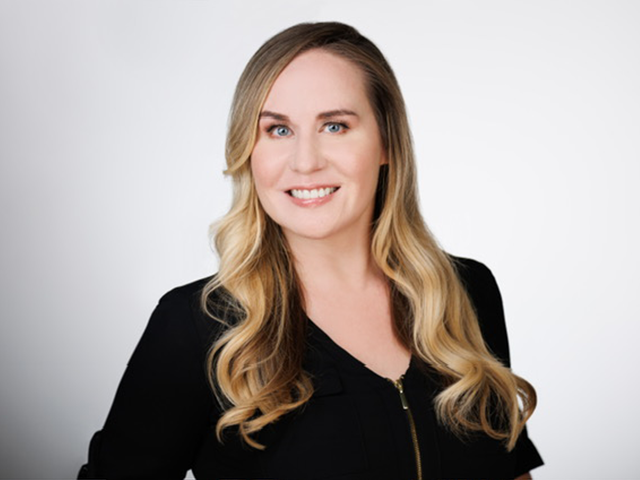
Dr. Melanie Minges is the Director and Assistant Professor of the Master’s Program in Professional Clinical Counseling. She brings over a decade of experience in behavioral health program leadership, crisis intervention, and clinical practice. Her research explores self-efficacy, burnout, and secondary traumatic stress among the behavioral health crisis workforce, with a focus on the intersection of counseling and public health. She has published peer-reviewed articles on resilience, psychological distress, intimate partner violence, and health disparities, and she regularly presents at national conferences. Dr. Minges is passionate about preparing the next generation of counselors through experiential learning, evidence-based practices, and a strong grounding in ethics and cultural humility.
Application Process
The Professional Clinical Counseling Program has some additional requirements beyond the typical application process. Find more information through the link below.
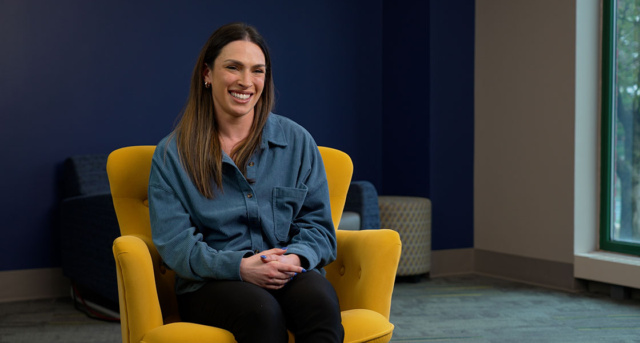
Hands-on learning and support from peers and faculty in La Salle’s Professional Clinical Counseling M.A. program supported Bridget Crespo, M.A. ’25, as she created a new career path.

Aycan Badal, ‘27, embraces cultural shifts and the challenges of graduate school.