La Salle University

Meet the Faculty
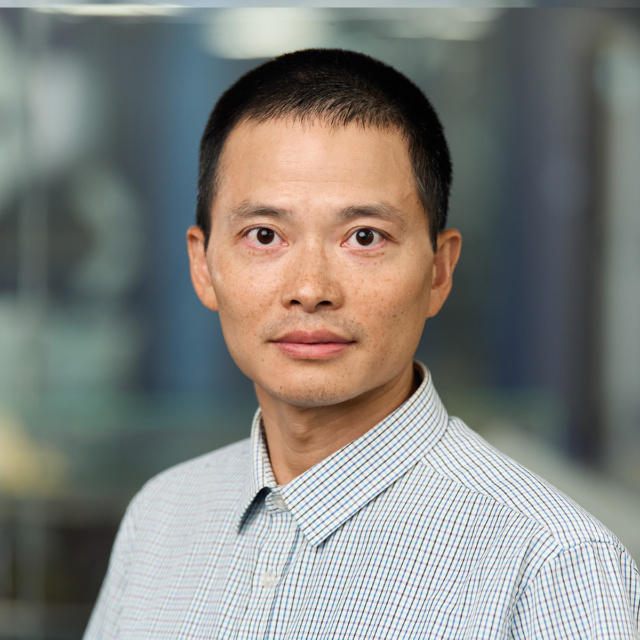
Dr. Yang Wang is a Professor at La Salle University and the Director of Graduate Programs in Artificial Intelligence, Cybersecurity, and Computer Information Science. He earned his Ph.D. in Computer Science from Georgia State University in 2012, where he received the Ph.D. Dissertation Grant Award. He taught as an instructor at Georgia State University between 2008 and 2012, and he was recognized with the Outstanding Graduate Teaching Award. Before joining La Salle, he held several industry positions, including senior engineering roles (in networking and cloud computing) at Futurewei Technologies and Internap. Dr. Wang has authored about 60 peer-reviewed publications in areas including optical networking, network virtualization, cybersecurity, and pedagogy. His recent scholarly work focuses on generative AI in education and security, as well as AI-driven research on network optimization. He has secured many external/internal grants to support his teaching and research, including internal grants for undergraduate research, a CDRD grant for community-based research to develop a gamified/AI-infused youth mental health learning platform, and a recent STEM Education Grant from Triumph Foundation. He actively serves on technical committees for IEEE and ACM conferences, and he was twice recognized as an Exemplary Reviewer by the IEEE Communications Society. Dr. Wang also served as an NSF panelist, and he is an Associate Editor of Decision Analytics Journal and Editorial Board Member for Journal of Telecommunication and Information Technologies.

New programs are designed to equip students with the advanced knowledge and technical skills necessary to thrive in today’s rapidly evolving digital landscape.

La Salle University continues to broaden access to higher education with new degree opportunities for students at every level from new associate to bachelor’s to master’s degrees.