La Salle University
Program Snapshot



Why Study Social Work (MSW) at La Salle?
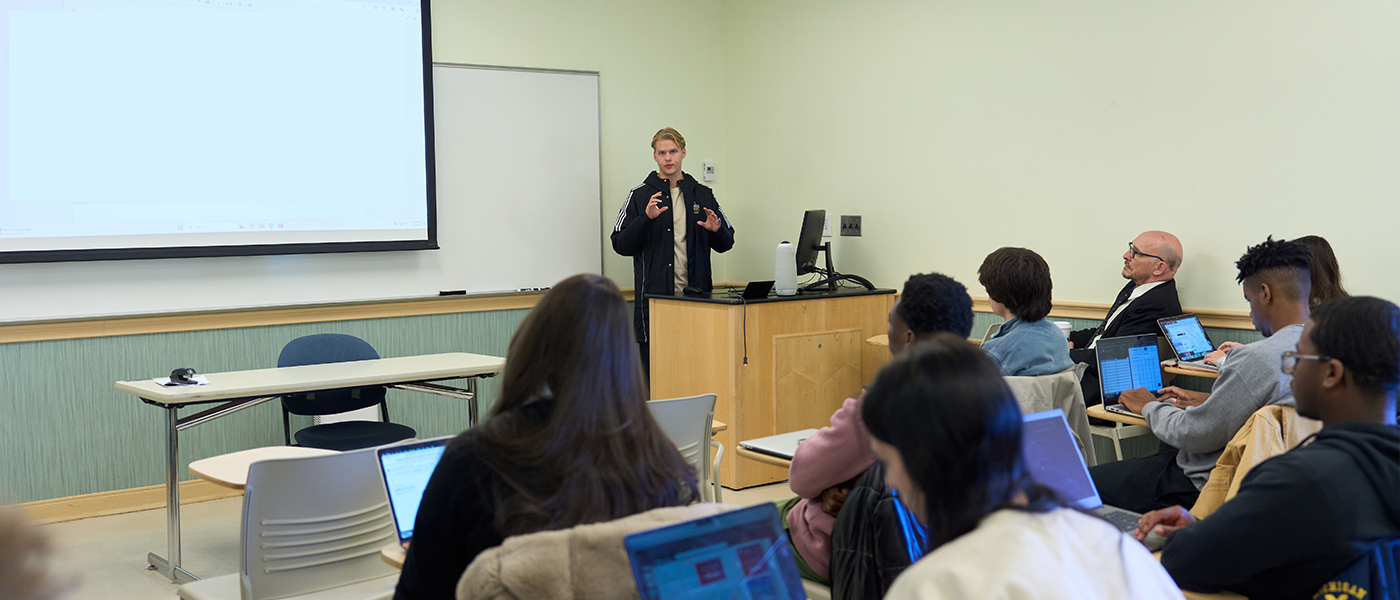
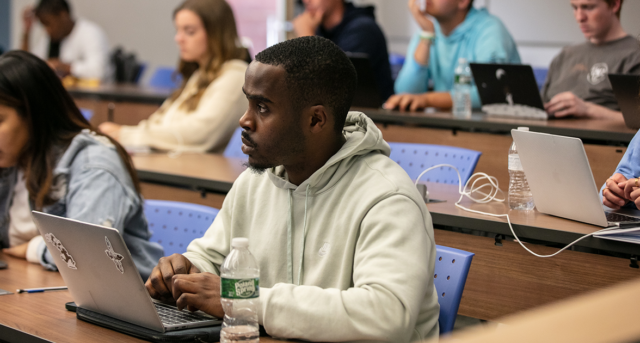
The Master of Social Work (MSW) program at La Salle University is rooted in community, connection, and creating positive change in the world. Community starts with our cohort-style format where every student grows in a supportive environment through in-person classes with flexible online components. Our students come from a wide range of disciplines and is ideal for recent graduates, career changers, and professionals seeking advancement.
Our personalized approach, inside and outside the classroom, encourages students to work with faculty mentors across a range of disciplines including clinical practice, substance use and recovery, school social work, and strategic communication. As a Lasallian student, you can expect to learn from the expertise of faculty practitioners, expand your knowledge with electives taken from across the university and get direct assistance in practicum placement.
La Salle has longstanding relationships with community clinics, healthcare, educational, and social service settings across the entire Philadelphia metropolitan area for practicum placement. Faculty and staff are guaranteed to assist in matching you and help facilitate the connections that’ll set you up for success.
Graduates of our program are eligible to pursue licensure as a Licensed Social Worker (LSW), and, after supervised clinical experience, as a Licensed Clinical Social Worker (LCSW). We will prepare you for a career devoted to your professional growth and to the development of our shared community.
If you’d like to explore our innovative curriculum in depth, please visit our academic catalog.
Student Outcomes
Our graduates are highly successful—both during the program and after graduation. A recent survey of MSW alumni respondents from 2023-2025 had this to share:
La Salle MSW outcomes:
- 89% were employed within six months of graduation
- 84% secured a first job directly related to their MSW degree
- Among those who remained with their employer, 91% received a promotion after earning the MSW
- 86% strongly agreed the program prepared them to work as social workers
- 79% strongly agreed it prepared them to secure a social work job
Highlighted Courses
SWK 585 – Mental Health & Substance Use: Support & Recovery
This course will provide students with an understanding of co-occurring disorders, related concepts and theories, and the inter-relationship between mental health issues and substance use and abuse. Mental health issues and substance abuse will be examined using the DSM, with specific attention to key symptomology and increased risk. Screening and assessment tools and intervention strategies for co-occurring disorders will be explored. The use of self in a professional setting and cultural considerations will also be examined. Students will gain an understanding of the implications of current policy on individuals, families, communities, and agencies as it relates to mental health and substance use disorders.
SWK 641 – Social Work Leadership
Social workers are often employed by, and tasked with leading, complex nonprofit organizations and social service agencies that enhance the well-being of individuals, families, and communities. This course aims to provide students with the necessary skills to manage and lead in these complex environments. Students will identify their own theory of leadership and how leadership applies to organizational management and identify organizational structures and the processes for managing and developing programs within them. Students will also develop supervisory skills and learn to mentor employees. Ultimately, this course prepares students for the arduous, but necessary, task of transitioning from direct practice to a leadership role within the social work profession.
SWK 650 – Advanced Integrative Practice with Children & Families
This course will emphasize the application of advanced theory and practice principles for working with children and families in diverse practice settings. Coursework will provide students the opportunity to consider approaches of current and emerging models of service delivery across the spectrum of clinical intervention settings, as well as more system intervention. Models of child and family practice that promote the well-being of children and their families are considered throughout this course.
Meet the Faculty
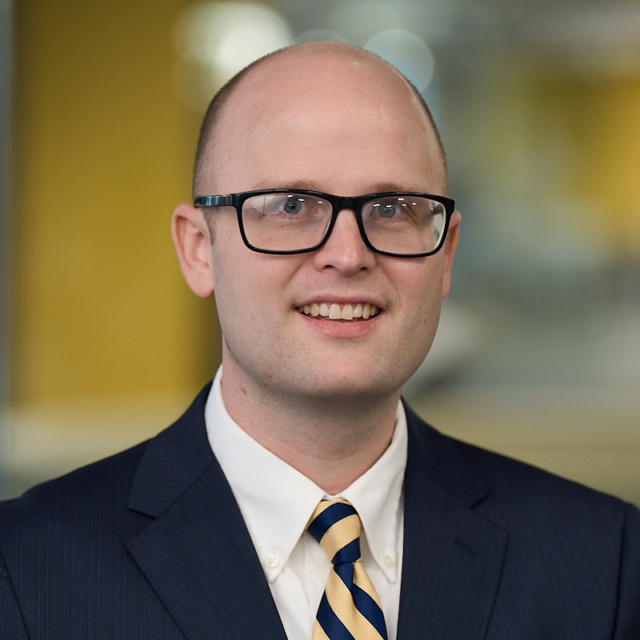
Brendan Young, DSW LSW is an Assistant Professor in the Department of Social Work at La Salle University. As an alumnus of the program, Dr. Young has held several roles within the department, including previously chairing the Social Work Department Advisory Board where he assisted the department in preparing the Master of Social Work program. Dr. Young recently completed his Doctor of Social Work at Kutztown University, where his research focused on the role that social work education plays in preparing students to engage in the political process. In addition to his academic experience, Dr. Young has worked for nearly a decade as a practicing social worker in health care settings. Dr. Young has worked for hospice organizations, as well as in Medicaid Managed Care, assisting clients with medically complex care needs gain access to care. Additionally, Dr. Young is engaged in local politics, working on several local, state, and federal political campaigns and serves as an elected committeeperson in Philadelphia.
Accreditation
La Salle University’s MSW program is accredited by the Council on Social Work Education’s (CSWE) Board of Accreditation (BOA). Accreditation of a baccalaureate or master’s social work program by the BOA indicates that it meets or exceeds standards of program quality evaluated through a peer review accreditation process. An accredited program has sufficient resources to meet its mission and goals and the BOA has verified that it demonstrates compliance with all sections of the Educational Policy and Accreditation Standards (EPAS). Accreditation applies to all program options, which includes locations and delivery methods. Accreditation provides reasonable assurance about the quality of the program and the competence of students graduating from the program. Review our program’s accredited status in CSWE’s Directory of Accredited Programs. For more information about social work accreditation, contact CSWE’s Department of Social Work Accreditation.
Assessment Outcomes
One of the reasons why I chose La Salle was my conversation with the program director. He was able to explain how the cohort that just graduated, how close they were able to get, and how they built this mini family with each other. That was something that sold me because I come from a very strong family background, and that’s what I like to put into my life as I’m growing up and going out into the world.
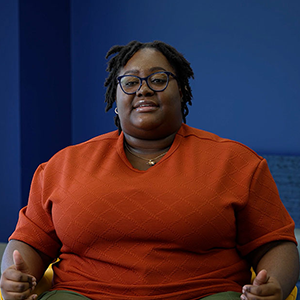
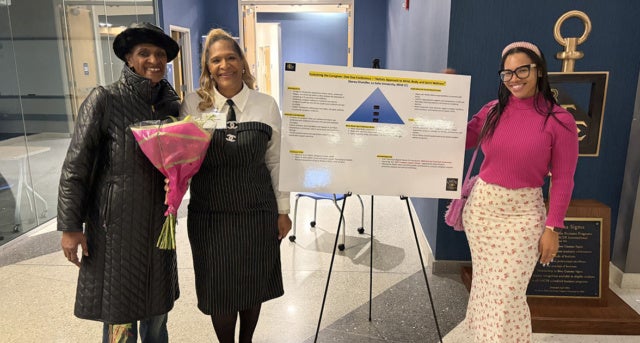
Third-generation Explorer, Stacey Chandler, MSW ‘26, graduated from La Salle University’s Master of Social Work Program equipped with the knowledge and experience to make a positive difference in her community.
Rosemary Barbera, Ph.D., ’83, M.A. ’86, of La Salle University’s Department of Social Work received an international honor from the Council on Social Work Education (CSWE).